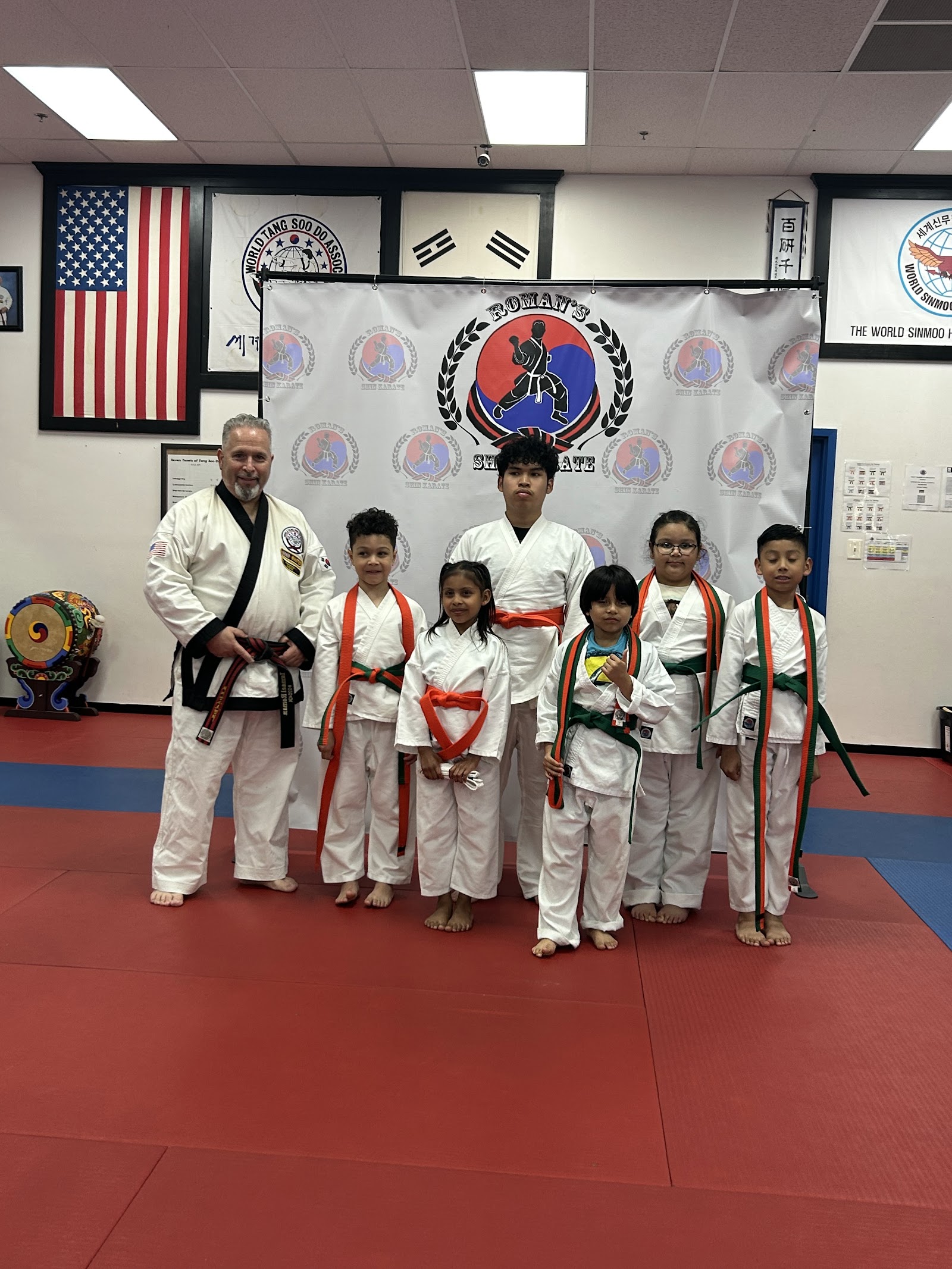
As a parent in Hamilton, you want the absolute best for your child. You’re looking for an activity that does more than just fill an afternoon. You want something that builds character, teaches respect, instills discipline, and gives them the confidence to navigate a complex world. Martial arts training promises all of this, but choosing the right school can feel like a monumental task.
A quick search for a “martial arts school in Hamilton NJ” reveals numerous options, each with different styles, promises, and prices. How do you sort through them? How do you know which dojo will be a positive, life-shaping environment for your child and not just a place to burn off energy?
As someone who has been on the mat for 48 years, I’ve seen what makes a school exceptional. I’ve seen what builds true leaders. This guide is designed to give you, a caring parent, a clear, step-by-step framework for making the best possible choice for your family.
Step 1: Define Your Family's Goals
Before you even visit a school, the most important first step is to clarify what you hope your child will gain. Martial arts is not a one-size-fits-all activity. Your primary goals will heavily influence which school is the right fit. Sit down and think about what truly matters to you.
Is it for Confidence and Discipline?
Many parents come to us because their child is shy, struggling with focus in school, or needs an outlet that teaches self-control. The right training environment can be transformative. Look for a school that emphasizes personal growth over just physical skill. A good instructor helps a timid child find their voice and an energetic child find their focus. This is a core part of `building confidence` that lasts a lifetime.
Are You Seeking Practical Self-Defense?
If your main concern is equipping your child with the ability to protect themselves, you need to look closely at the style being taught. Some martial arts are more sport-oriented, while others focus on real-world scenarios. You want a curriculum that covers awareness, de-escalation, and effective physical techniques if an altercation is unavoidable. This includes things like joint locks and escapes, not just kicking and punching.
Is Fitness and Focus the Priority?
Perhaps your child isn't interested in traditional team sports, but you want them to be active, healthy, and engaged. Martial arts is a fantastic way to develop coordination, balance, and overall fitness. The structured nature of classes is also incredible for improving a child's ability to pay attention and follow directions, skills that translate directly to the classroom.
Or is it a Family Activity?
Are you looking for something you can do together? Some schools offer programs where parents and children can train on the same mat. This can be an amazing way to strengthen family bonds, create shared memories, and model a healthy, active lifestyle. If this is a priority, look specifically for schools with dedicated `family bonding` classes.
Step 2: Vet the Instructor's Experience and Lineage
The single most important factor in any martial arts school is the quality of the head instructor. This person sets the tone for the entire community. They are the mentor your child will look up to. Their credentials, experience, and philosophy are not just details; they are the foundation of the school.
Look for Deep, Verifiable Roots
In traditional martial arts, lineage matters. It is the unbroken chain of knowledge passed from master to student. An instructor with a strong lineage has been trained and certified by recognized, legitimate grandmasters. For example, I was personally promoted to 5th Dan in the World Tang Soo Do Association by Grandmaster Jae Chul Shin, who was the first instructor for the legendary Chuck Norris in Korea. This connection isn't about bragging; it's proof of authenticity. It shows the techniques and philosophies being taught are genuine and have stood the test of time.
Years on the Mat Matter
There is no substitute for experience. An instructor who has been training for decades, like my 48 years on the mat, has a much deeper understanding of the art. More importantly, they have more experience teaching students of all ages, temperaments, and abilities. They know how to patiently guide a frustrated child, challenge a gifted student, and adapt techniques for different body types. Look for a master, not just a coach.
Instructor Red Flags to Watch For
Be cautious if you encounter any of the following during your research:
- Vague Credentials: They can't or won't tell you who promoted them to their current rank.
- Self-Promoted Ranks: Claims of being a 10th-degree grandmaster of their own “unique” style they invented last year.
- Focus on Trophies Above All: The conversation is only about tournament wins, not about student character development.
- Lack of Teaching Experience: A great competitor does not always make a great teacher, especially for children.
Step 3: Evaluate the School's Culture and Community
Once you’ve identified a few schools with qualified instructors, it’s time to assess the environment. The culture of the dojo, or training hall, will have a huge impact on your child's experience. You are not just joining a class; you are joining a community.
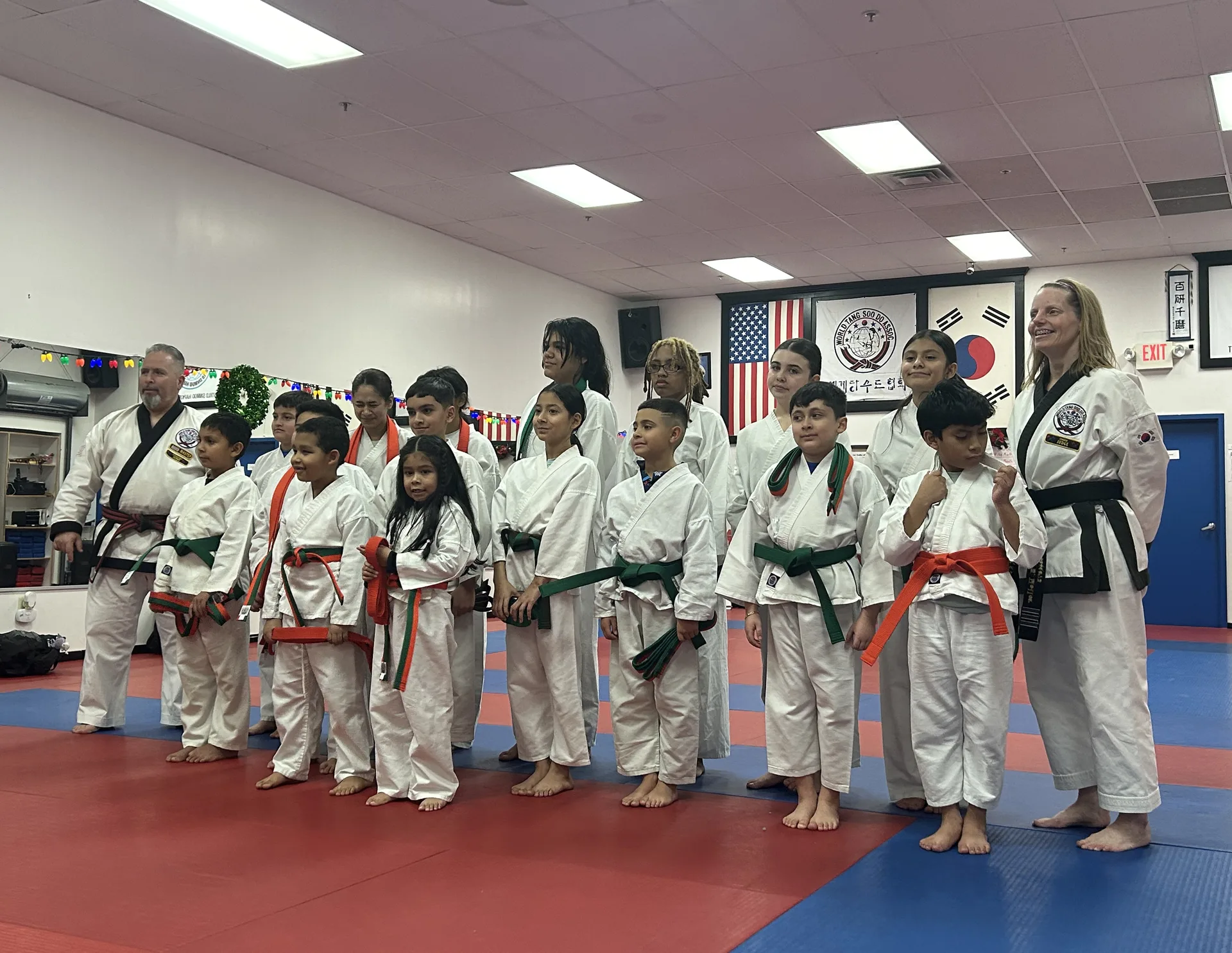
One of our parents, who drives from nearby Trenton, recently told us that what sealed the deal for them was the feeling they got just walking in the door. They saw older students helping younger ones, instructors greeting every child by name, and a general sense of mutual respect and support. It didn't feel like a sterile gym; it felt like a family. That is what you should be looking for.
Is it a "Trophy Factory" or a "Character Factory"?
Some schools are hyper-focused on producing tournament champions. While competition can be healthy, a school that prioritizes trophies above all else can create a high-pressure, intimidating environment for many kids. Look for a school that celebrates personal victories, like a student finally mastering a difficult form or a shy child leading a warm-up drill for the first time. The goal should be to build better people, not just better fighters.
Observe a Full Class
Before committing, ask to watch a class from start to finish. Pay attention to these details:
- Student Engagement: Are the kids having fun while learning? Do they seem focused and respectful, or are they bored and unruly?
- Instructor's Demeanor: Is the instructor patient and encouraging? Do they offer individual corrections? How do they handle a child who is struggling or acting out?
- Class Structure: Is the class organized and well-paced, or is it chaotic?
- Safety: Is the training space clean and well-maintained? Is proper safety equipment being used?
Step 4: Understand the Martial Art Style(s) Taught
While the instructor and culture are paramount, the actual art being taught is also important. Many parents wonder about the difference between Karate, Tang Soo Do, and Taekwondo. They are all excellent Korean martial arts with shared roots, focusing primarily on powerful kicking and striking techniques.
At our school, we teach Tang Soo Do, a traditional art known for its comprehensive curriculum and emphasis on character development. But we don't stop there. We also teach Sin Moo Hapkido, an art focused on practical, real-world `self-defense skills`. Hapkido incorporates joint locks, throws, and grappling that provide a complete system of self-protection.
Having both under one roof means our students get the best of both worlds. They learn the discipline and structure of a traditional striking art and the practical, effective techniques of a modern self-defense system. When you look at a school, ask if their curriculum is one-dimensional or if it provides a well-rounded education in self-protection.
Step 5: A Parent's Checklist for Choosing a School
When you visit a school, it’s easy to get caught up in the moment. Go prepared with a list of practical questions. A transparent and professional school owner will be happy to answer all of them. Here’s a checklist to get you started:
- What are the contract terms? Are they long-term, or can you pay month-to-month?
- Are there additional fees for belt testing, uniforms, or special events?
- What is the class schedule, and how flexible is it?
- What is the policy for missed classes? Can they be made up?
- How does the school handle issues like bullying between students?
- What is the typical student-to-instructor ratio in a class?
- How are new students integrated into the class?
- Do you have programs for younger children, like a `Little Dragons program`?
An introductory program is a great way to experience a school without a long-term commitment. For instance, we offer trial programs for kids and families so you can be completely sure our school is the right fit.
FAQ: Common Questions from Hamilton Area Parents
I get asked these questions all the time by parents from Hamilton, Bordentown, and Mercerville. Here are some straightforward answers.
What should I look for in a martial arts school?
To summarize, look for three things: a highly experienced and credentialed instructor with a verifiable lineage, a positive and supportive community focused on character development, and a transparent business model. A trial class is the best way to see all three in action.
How much do martial arts classes cost in NJ?
Costs can vary widely depending on the school's location and reputation. Be wary of hidden fees for testing and equipment. A good school will offer an introductory special, like our 4 weeks for $49, which allows you to assess the value before making a larger financial commitment.
What is a good age for a child to start martial arts?
Children can start as young as 3 or 4 years old. At this age, classes should be play-based and focus on developing coordination, listening skills, and basic motor functions. Our Little Dragons program is designed specifically for this age group. For more structured training, ages 6 and up are ideal.
Is karate or taekwondo better for a child?
This is a common question. Tang Soo Do (which is a forerunner to Taekwondo and often grouped with karate) focuses on both hand and foot techniques and has a strong emphasis on traditional forms and self-defense. Taekwondo is known for its dynamic, high kicks and is an Olympic sport. Neither is inherently "better"; the quality of the instruction and the culture of the school are far more important than the specific style.
Your Next Step
Choosing a martial arts school in Hamilton NJ is a significant decision. You are choosing a mentor and a community that will help shape your child’s future. By following these steps, you can move forward with confidence, knowing you have done your homework.
Now that you know what to look for, the final step is to see it for yourself. I personally invite you and your family to visit us at Roman's Shin Karate. Come and observe a class, speak with our instructors and other parents, and see the difference that a deep lineage and a true family community can make. You can learn more about `our story` on our website.
Check our `class schedule` or give us a call at (609) 888-1000 to arrange your introductory program. We look forward to meeting you.
New Student Experience
Ready to See It In Person?
4 Weeks Unlimited Classes — $129 $49
Keep Reading
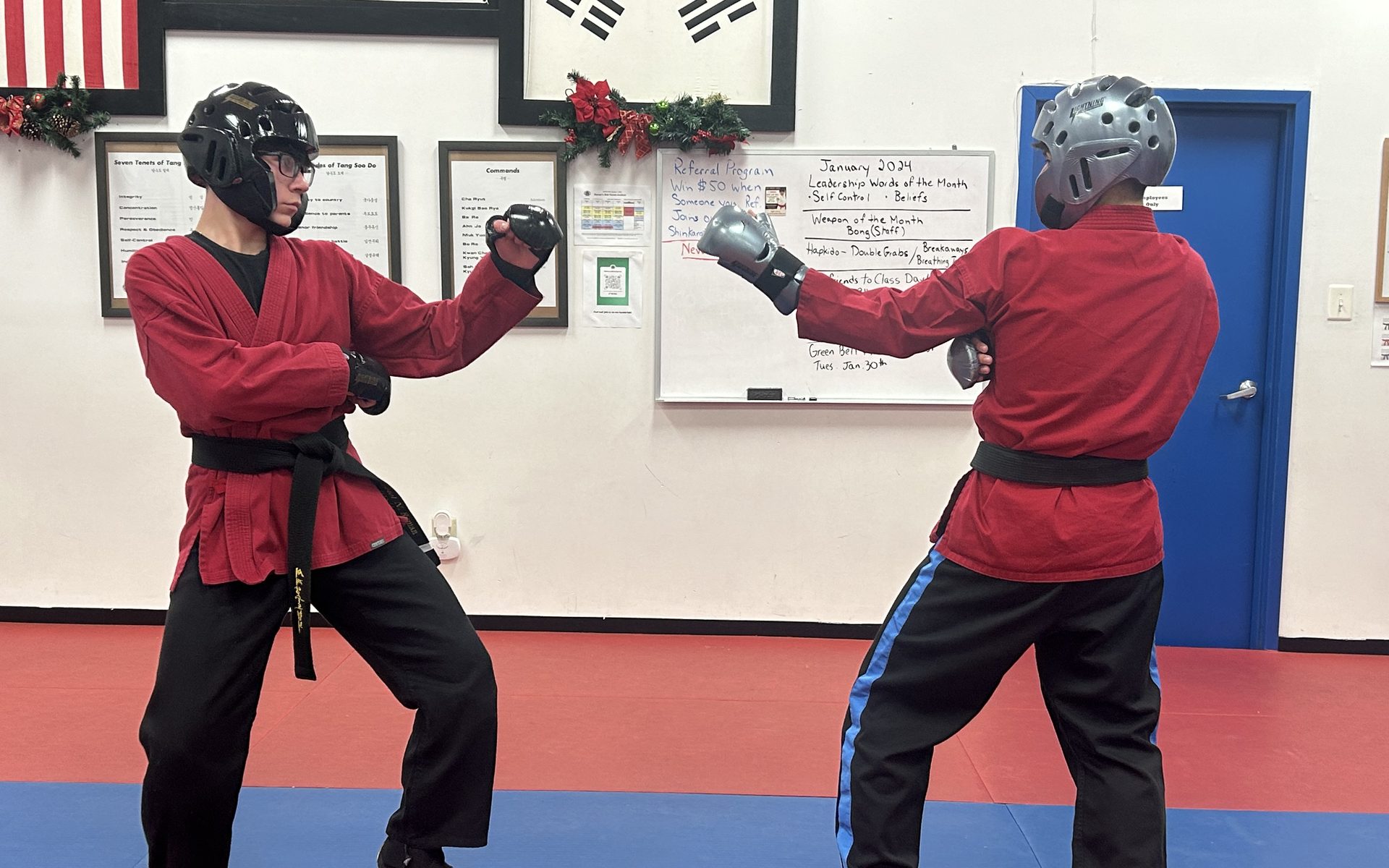
Self-Defense
Hapkido Self-Defense: Why Technique Overcomes Strength Every Time
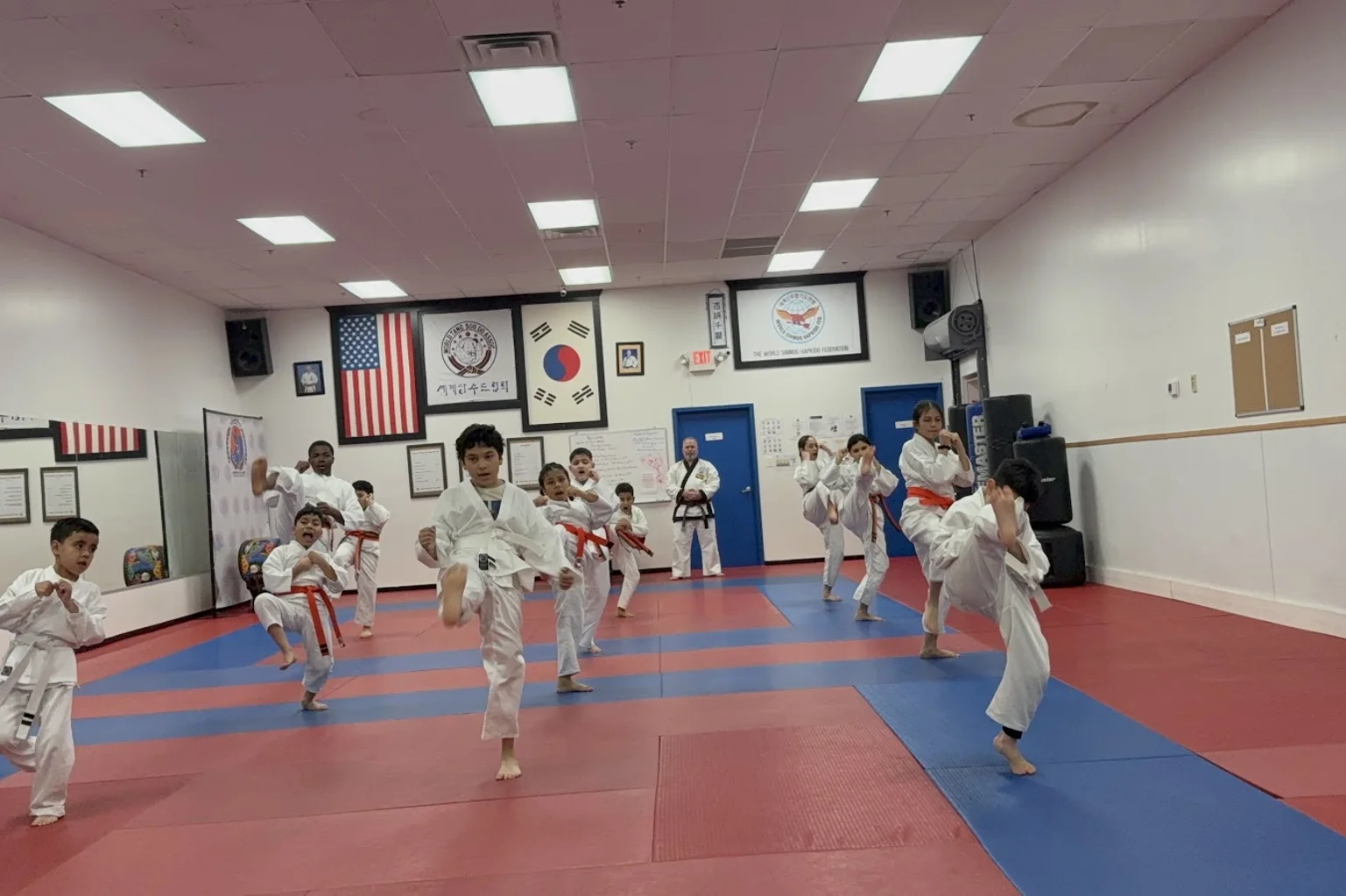
Parenting
Best Age to Start Karate: A Hamilton Parent’s Complete Guide
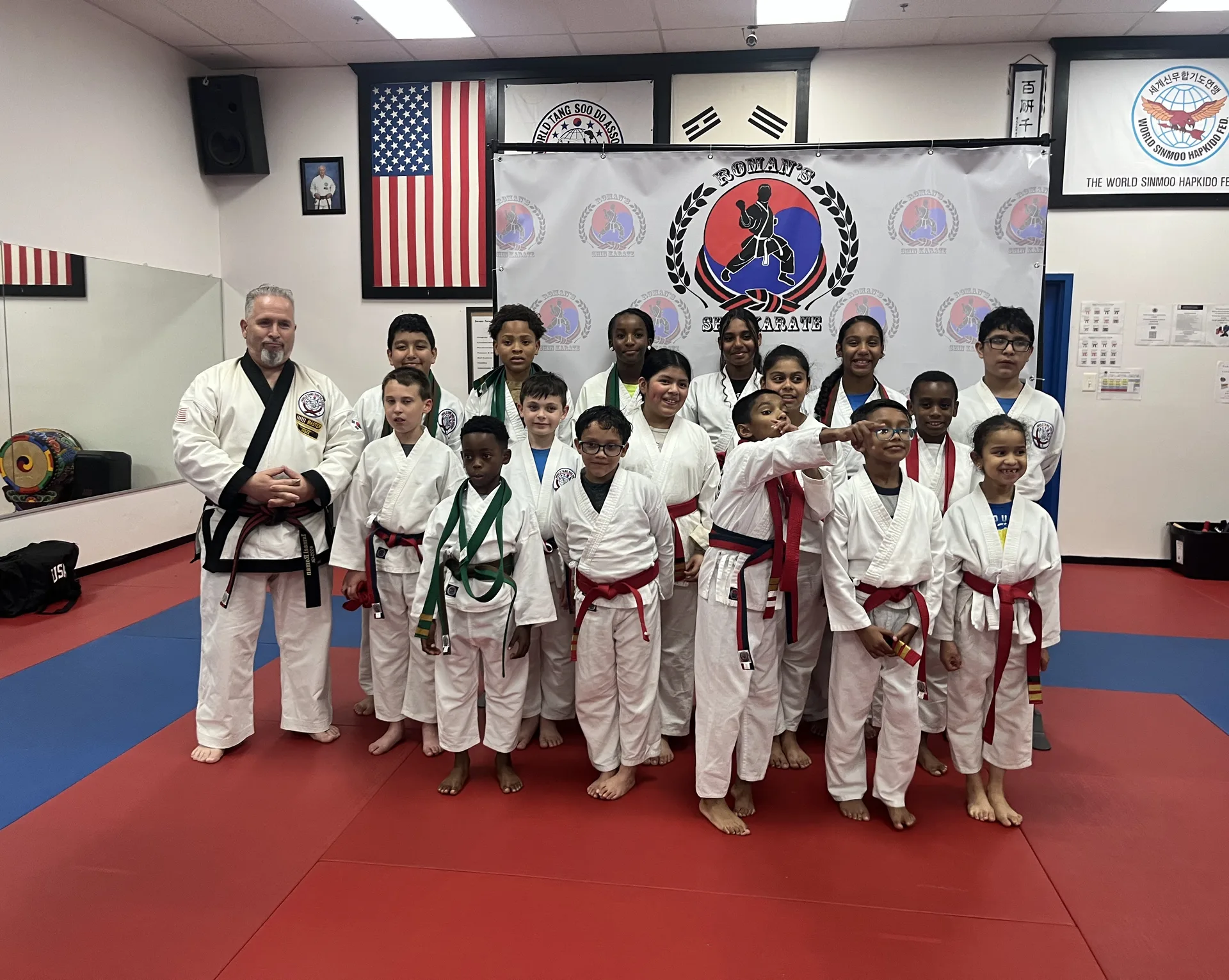
Personal Growth
What is Tang Soo Do? A Parent's Guide to Our Korean Martial Art
Child Development